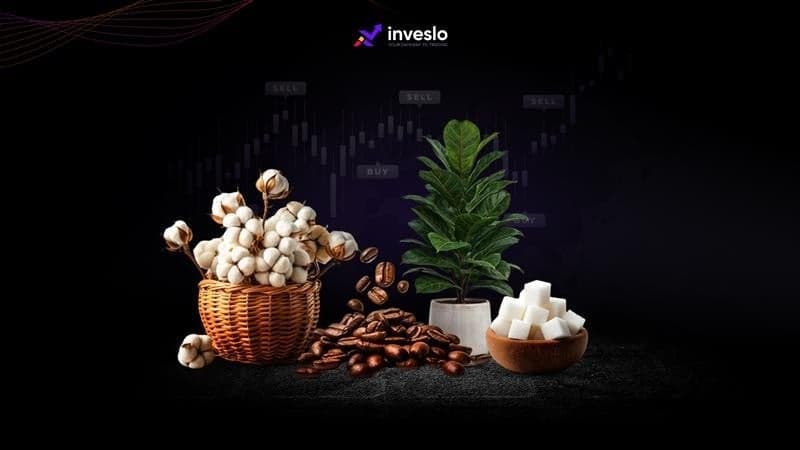
Soft commodities are a vital component of the global financial and trading system; however, many traders overlook their value. They are agricultural products; that is, they are grown, not extracted like metals or oil, so their prices largely depend on weather, seasonal shifts, and global demand patterns. Coffee, sugar, cotton, and cocoa are only a few examples of soft commodities that can be used for diversification of one's portfolio and also to generate profit.
Traders who want to venture outside the usual asset classes (crude oil or gold, for instance) will find that understanding soft commodities is one of the keys to opening up new trading avenues. In this article, we will explain what soft commodities are, how they differ from hard commodities, and how you can trade them well.
What Are Soft Commodities?
Soft commodities are agricultural raw materials or products that are produced through the means of cultivation and production, not through mining or extraction. They are also known as “living” goods because they rely on natural cycles, climatic conditions, and farming practices for their production, unlike crude oil or metals.
Some examples of soft commodities would be coffee, cocoa, sugar, cotton, wheat, corn, soybeans, and orange juice. As perishable items, these commodities have an increased sensitivity to their environments compared to the other asset classes, and their markets tend to be far more unpredictable than those of an investment in any other asset class.
The use of the word “soft” to describe these particular commodities denotes how these products are grown and cultivated; thus, their supply may vary greatly based on many factors, including weather changes, agricultural diseases, and geopolitical factors affecting the agricultural regions where they are produced. Due to this uncertainty, many traders are drawn to these types of commodities because of their ability to analyze those uncertainties by using various trading strategies.
Soft vs. Hard Commodities
It is important to know that there is a distinction between a soft and a hard commodity before getting into trading commodities.
Soft Commodities:
- Grown through agriculture
- Seasonal production cycles
- Very much weather and weather sensitive.
Hard Commodities:
- Extracted from the earth
- Add metals and energy resources.
- Examples: crude oil, Gold
Although hard commodities are usually controlled by the geopolitical and industrial demand, soft commodities are influenced more by the environmental and supply chain factors.
What Are the Key Soft Commodities in the Market?
Several soft commodities take up the world's futures markets and have a steady trading activity:
- Coffee: Coffee is one of the commodities that are highly traded in the world, and its prices are affected by the production of Brazil, Vietnam, and Colombia. Droughts or frosts in these areas can lead to a sudden change in prices.
- Cocoa: Cocoa is the raw material of chocolate, which is grown mostly in West Africa. Ivory Coast or Ghana can be politically unstable, and this may cause major disruptions on the supply side, also.
- Sugar: Sold both in raw and refined states, sugar is influenced by the price of energy (sugarcane is also used to make ethanol), weather, monsoons in India, and Brazilian export laws.
- Cotton: One of the major inputs to the textile industry, the price of cotton is influenced by the growing market in new markets, the US crop reports, and the fashion trends in the world.
- Wheat and Corn: These are the staple sources of food and are sensitive to geopolitical factors, trade tariffs, and changing habits of various eating habits in the developing nations.
- Soybeans: Soybeans are one of the widely traded agricultural futures contracts in the world and are widely used in the feeding of animals and producing cooking oil.
Why Trade Soft Commodities?
The reasons behind the growing popularity of traders including soft commodities in their portfolios are several:
Diversification
The soft commodities do not react the same way as other assets such as stocks, crude oil, or gold, which contributes to minimizing the entire portfolio risk.
Volatility = Opportunity
The volatility of the prices is caused by weather disturbances, scarce supplies, and changes in world demand, which can be exploited by the traders.
Global Demand
Due to the population increase globally, agricultural commodities are under increasing demand, hence this is a long-term opportunity.
Accessibility
Commodity trading is now more accessible than ever, even to retail traders, given the modern platforms.
What Drives Soft Commodity Prices?
A combination of supply and demand factors influences the prices of soft commodities. Knowledge of these drivers will be the basis of a good risk management plan in this space.
- Weather and Climate - There are extreme weather events, El Nino cycles, and climate change, all of which directly affect crop yields. This is possibly the greatest cause of short-term price volatility.
- Government Policy - Export bans, import tariffs, subsidies, and biofuel mandates can all cause a big change in the supply and demand dynamics. An example of this is the ethanol policy in Brazil, which has a direct impact on the sugar prices in the world.
- Currency Movements - Given that most of the soft commodities trade in US dollars, an appreciation in the dollar normally exerts pressure on the prices, whereas a weaker dollar raises the prices.
- Global Demand Trends - The long-term demand changes are caused by the growth of the population, changes in dietary habits, and the development of emerging market economies.
- Speculative Activity - Just like any other traded market, institutional and retail trader positioning also affects soft commodity trading. Huge futures holdings of hedge funds may enlarge the price fluctuations in either direction.
How Are Soft Commodities Traded?
In the present markets, it is possible to trade soft commodities in several ways:
Futures Contracts
The simplest one, which enables the traders to purchase or sell a commodity at a set price in the future.
CFDs (Contracts of Difference).
Allow traders to worry about price fluctuations without purchasing the underlying commodity.
ETFs and Stocks
Invest in businesses or investments associated with the production of agriculture.
Copy Trading
Novices can access a copy trading system to track the performance of expert traders and copy their actions.
Both approaches have their risk rates, and the selection of the appropriate one is based on the experience of trading and objectives.
Soft Commodity Market is Transforming
The soft commodities sector is changing rapidly due to technology, data science and climate change. Now there are many opportunities for traders and farmers to manage their price risk through the use of satellites that can see the status of crops in real-time and machine-learning models that can forecast the metric of harvested goods several weeks before the harvest data is officially released.
The demand for sustainable products, which includes ethically traded cocoa, organic cotton, and fair-traded coffee, is changing the supply chain and creating new pricing models in the soft commodities sector; traders who keep on top of these structural changes can expect substantial opportunity over the next several years.
Blockchain technology is beginning to provide transparency in supply chains associated with soft commodities, thereby reducing fraud and enhancing traceability. These developments are causing a new group of investors to regard soft commodities as more than just speculative investments but rather as a marketplace connected to something meaningful in the world.
Soft Commodities & the Global Economy
The global economy is significantly influenced by soft commodities, which connect agricultural production, wages, labor, and global trade in some way or another.
For example, agriculture is a major source of revenue for many developing countries, and their economies rely heavily on these exports; therefore, any change to the price of soft commodities will definitely affect inflation.
Furthermore, supply shortages of soft commodities can create chaos in global markets.
Thus, for traders, soft commodities are not only tradable assets; they also serve as macroeconomic indicators that reflect many variables within their respective countries.
Final Thoughts
Soft commodities can give traders a wonderful opportunity to make money if they are willing to learn about them first. Factors such as nature changing, extremely affecting prices and demand trends for years to come, have always been the main reason why these soft commodity markets still exist. So, if you want to add some variety to your investment portfolio, protect yourself from inflation, or find some trading opportunities besides Gold and crude oil, then you should definitely check out the soft commodities.
Being a dependable and regulated forex broker, Inveslo offers a huge variety of commodity markets coupled with the latest tools for professional-grade trading. Feel free to contact us if you desire to try soft commodity trading or simply want to enhance your existing strategy. We will assist you all the way- from understanding the market fundamentals to developing a strategy that fits your requirements perfectly.
FAQs
1. What are soft commodities?
The production of agricultural goods such as coffee, sugar, and cotton is not a mining activity.
2. How are soft commodities different from hard commodities?
There is the growth of soft commodities and the extraction of hard commodities such as crude oil and Gold.
3. Are soft commodities good for beginners?
Yes, particularly with the application of such tools as copy trading sites.
4. What affects soft commodity prices the most?
Weather, demand, and supply conditions in the world.
5. Can I trade soft commodities online?
Yes, through CFDs, futures, and trading on commodity exchanges.
6. Is trading soft commodities risky?
Yes, but it can be handled through a proper risk management strategy.
Related articles
 CommoditiesInveslo
Why Gold Rally Cools in 2026: Pullback or Trend Reversal?
Gold markets after a strong rally over the last couple of years are now 2026 showing signs of exhaustion. The prices that appeared as if they might keep increasing infinitely are being resisted now and the traders as well as the investors are left wondering what will happen next.
 CommoditiesInveslo
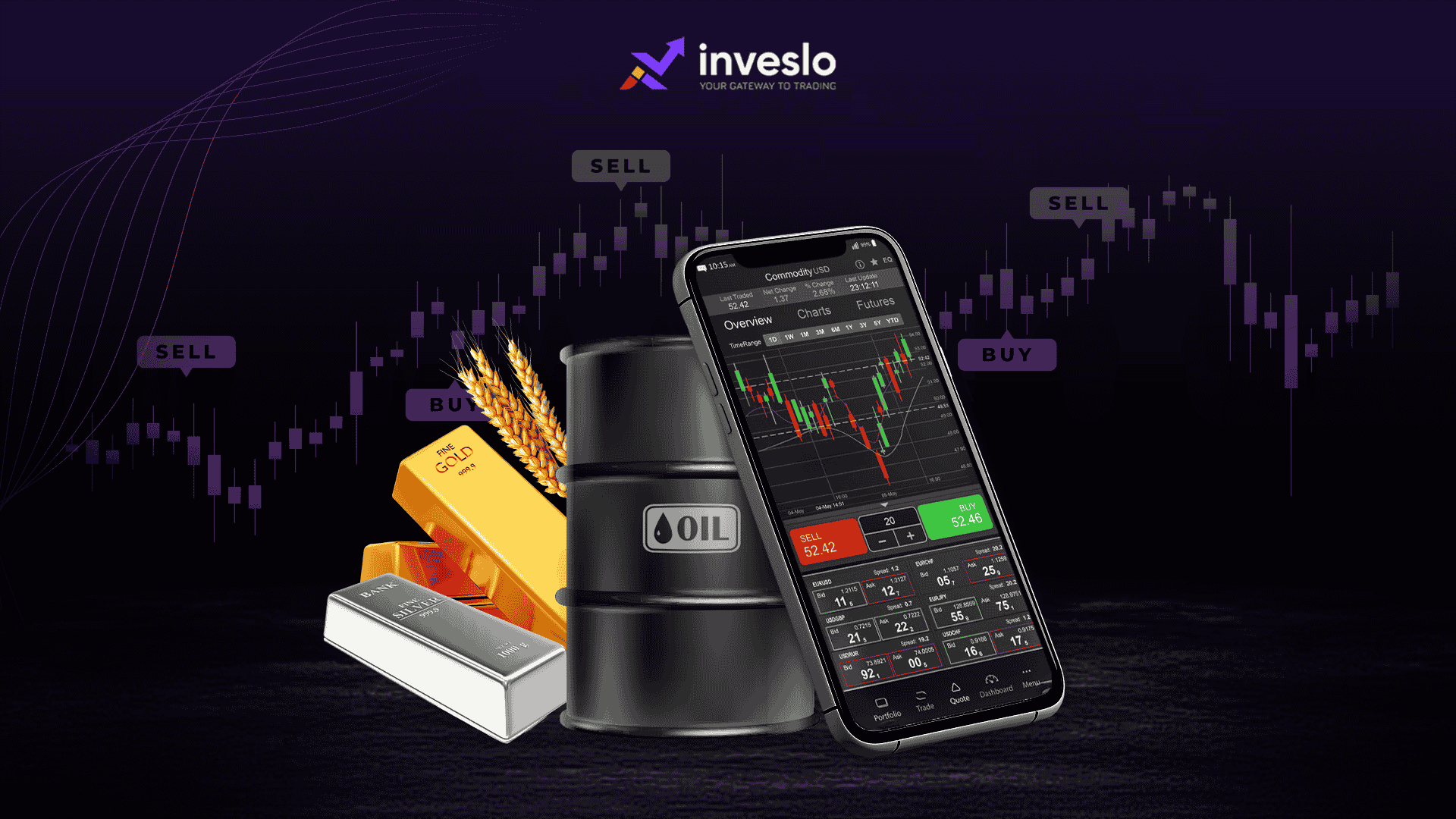
What is Commodity Trading in India? Strategies, Risks & Tips
Trading in commodities in India has turned into a quite advanced method for investors to diversify their investments besides the traditional stocks. One buys and sells raw materials such as gold, crude oil, cotton, etc., on the exchanges in the commodity market.
 CommoditiesInveslo
How to Trade Gold Profitably in 2026
Gold has remained one of the most secure assets for traders and investors all over the world. Owing to the trends that we will encounter in the year 2026, it will become more important to know how precious metals trading works.