How Profitable Is Algo Trading? Strategies, Benefits & Risks
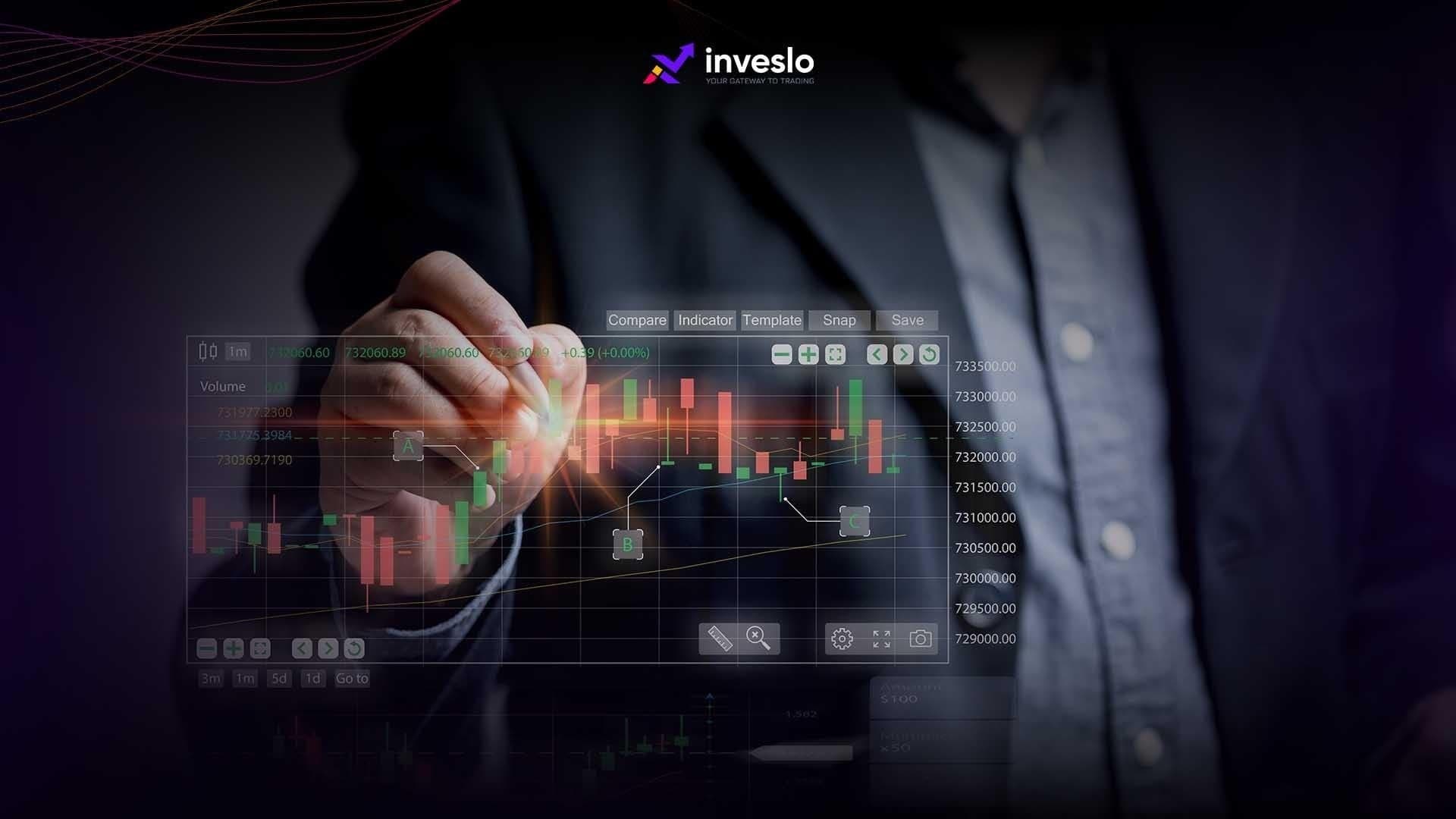
Technology continues to revolutionize financial markets. The introduction of algorithmic trading is, without a doubt, among the breakthroughs in trading nowadays. Traders no longer need to stare at charts and place orders with their hands; they can actually rely on automated trading systems to perform trades on their behalf as per the pre-specified rules. These algorithms continue to process market data, identify trading opportunities, and perform trades within a fraction of a second. But many traders ask the question: How profitable is algorithmic trading? While algorithmic trading can greatly enhance efficiency and eliminate the influence of emotions in making decisions, it also has its risks and technical requirements. This article will cover the basics of algorithmic trading, its strategies, pros, and cons, and how newbies can embark on the journey.
What is Algorithmic Trading?
Automated computer programs adhere to pre-determined rules for carrying out trading transactions; this is referred to as algorithmic trading or simply "algo" trading. The underlying rules can comprise any combination of price movements, technical indicators (e.g., moving averages), timing of the market, and statistical models.
In basic terms, the algorithm performs a scan of the market, and when it finds that specific criteria are achieved, it executes an automatic order to buy or sell on behalf of the trader. As such, because of the lack of human interaction in the execution of transactions, traders are able to capitalize on opportunities that are available in the marketplace in real-time.
Today, algorithmic trading can be used in many different types of financial markets, including stock exchanges, forex markets, commodity markets, and other derivatives markets. It allows traders to submit a large number of trades in a small amount of time while reducing the possibility of making mistakes.
Difference Between Manual Trading and Algorithmic Trading
Traders looking to determine which option they prefer can only do so by understanding the fundamental differences between manual and algorithmic trading.
The trader’s responsibility when they opt for manual trading is to manually evaluate charts, spot trading opportunities, and execute trades through the Trading Platform. As such, every decision made by the trader is in response to the current market at that time. The upside of this style of trading is its flexibility; however, this form of trading has the potential to be impacted by the trader’s emotional state (i.e., fear and/or greed).
Algorithmic trading relies on automatic processes that execute trades on behalf of traders based on established rules (algorithms). After the algorithm activates, it continuously scans for trading opportunities and executes trades based on the market without any influence from emotions (i.e., fear or greed).
In contrast to manual trading, which takes longer and typically relies on human judgment, algorithmic trading is faster, utilizes data to make decisions about trades, and can create and execute numerous trades within seconds.
Does Algorithmic Trading Really Work?
One of the most frequently asked questions by novice traders is, "Is it really possible to make money through algorithmic trading?"
To a certain extent yes but the success of the method will be determined by the kind of strategy in place, the current market situations, and the way the risks have been handled. Algorithmic trading is capable of finding patterns and trading opportunities at a speed far beyond human capabilities. Along with studying the past data, algorithmic trading can also use the technical indicators and make the trades without any delay.
Numerous professional hedge funds, institutional investors, and trading companies make use of algorithmic systems as their main tool for portfolio management. On the other hand, earning profits is never 100% certain. Algorithms that are not well designed, excessive parameter fitting, or abrupt market movements can result in losses.
For farmers on the algorithmic trading journey, it is imperative to perform strategy testing rigorously, keep track of the performance frequently, and be willing to change when the markets change.
Difference Between High Frequency Trading and Algorithmic Trading
Traders need to learn about the differences between high-frequency trading and algorithmic trading because it represents an essential trading principle.
Algorithmic trading defines all automated trading systems that execute market orders according to predefined trading instructions.
High-frequency trading represents a specialized type of algorithmic trading that executes multiple trades within one second through its high-speed trading systems and direct market connection capabilities.
High-frequency trading remains exclusive to major financial institutions, which possess advanced technological systems and extensive financial resources, while individual traders and institutional investors can utilize algorithmic trading.
Benefits of Algorithmic Trading
- Emotion Elimination: Algorithms operate on deduction and do not have an emotional reaction to a loss nor take revenge trade; rather, they continue with their original strategy.
- Back Test Capability: You can back-test your system/tactic over 10 years of historical data, so you can provide real-money funds in the trading account.
- Diversification: The algorithm trades several different markets at once (gold commodity, the EUR/USD pair, and tech stocks) and avoids becoming overwhelmed.
- Lower Transaction Costs: Algorithms minimize slippage and allow trades to be filled at the best prices, thus preserving capital long-term.
Algorithmic Trading Strategies
The traders and institutions have numerous Algorithms Trading Strategies. The most popular ones include:
Trend Following Strategy
This plan determines market trends based on such indicators as moving averages. The algorithm will purchase when a trend commences and sell when the trend becomes weak.
Arbitrage Strategy
Arbitrage is the strategy that is used to produce profits by taking advantage of the prices existing in various markets or exchanges.
Mean Reversion Strategy
Such a policy presupposes that the prices will sometimes get back to the average level. The algorithm recognizes oversold or overbought conditions and sells or buys, respectively.
Market Making Strategy
The market-making algorithms are constantly buying and selling orders to take advantage of the bid-ask spread.
Statistical Trading
This is a strategy involving intricate mathematical equations and statistics to detect trading opportunities.
Any strategy should be optimized and properly tested, and only then can it be applied to live trading.
Algorithmic Trading Risks
It isn't all "free money." Automation has certain unique risks:
- Technical Failures: Loss of the internet connection, server crash, or lack of power may leave a trade suspended without a stop-loss.
- Over-Optimization: The term is also referred to as curve-fitting. This occurs when a strategy has been optimised to the past information, which does not translate into the unpredictable future.
- Black swan events: Extreme market fluctuations (such as a flash crash) are unexpected and may travel so quickly that an algorithm risk parameter is unable to manage them.
How to Get Started with Algorithmic Trading?
Novices often ask themselves How to Get Started with Algorithmic Trading? On the one hand, it might be hard to understand, but the right approach makes the process easier.
- To start with, the traders should open a Trading account with a reputable broker, which facilitates algorithmic trading.
- Second, they have to select an appropriate Trading Platform that will enable them to use algorithms and automation of strategies.
- Then, traders are supposed to acquire simple programming languages like Python or utilise ready-made algorithmic tools on the contemporary platform.
- The performance of a strategy should be checked by backtesting the strategy on historical data before rolling it out into a real market.
- Other traders will also be interested in a premium account that has more features, higher speed of execution, and more features to analyze the market.
Final Verdict
Algorithmic trading has reshaped the way financial markets function by merging technology, data analysis, and automation. Besides faster execution, automated systems trading has a lot of benefits, like trading without emotions, and hence they have become popular with traders worldwide. However, making money through algorithmic trading is a function of strategy quality, risk management, and proper monitoring. By having access to the right tools, knowledge, and infrastructure, traders can develop effective automated strategies and trade across various markets such as Forex Trading, commodities, and major cryptocurrencies currency pairs.
Broker platforms such as Inveslo offer excellent trading environments with tighter spreads and higher leverage, allowing traders to discover algorithmic opportunities effectively. To know more about algorithmic trading or Trading Platform selection assistance, contact our experts now and start creating smart trading strategies.
FAQs
1. What is algorithmic trading?
Automatic trading involves the use of computer programs to automatically transact trading based on pre-coded market rules and strategies.
2. Is algorithmic trading a good business?
Yes, strategies are well-tested, and risk management is properly applied.
3. Is algorithmic trading something I require to know how to code?
Simple coding is also useful, and numerous platforms are no-code, algorithm-based.
4. Which markets can be relied upon to support algorithmic trading?
There are stocks, Forex trading, commodities, and currency pairs that have algorithmic strategies.
5. Is it possible to begin as an algorithmic trader?
Sure, novices may begin with basic tactics and bots.
Related articles
 ForexInveslo
What is the Consumer Price Index (CPI)?
The Consumer Price Index (CPI) tracks the average change over time in prices consumers pay for a representative basket of goods and services. It is one of the main measures used to monitor consumer inflation.
 ForexInveslo
What is a Trading Journal & How Do Traders Use It?
A trader can remember a big winner for months and forget three poorly planned trades from the same week. That is one reason relying on memory makes trade review difficult.
 ForexInveslo
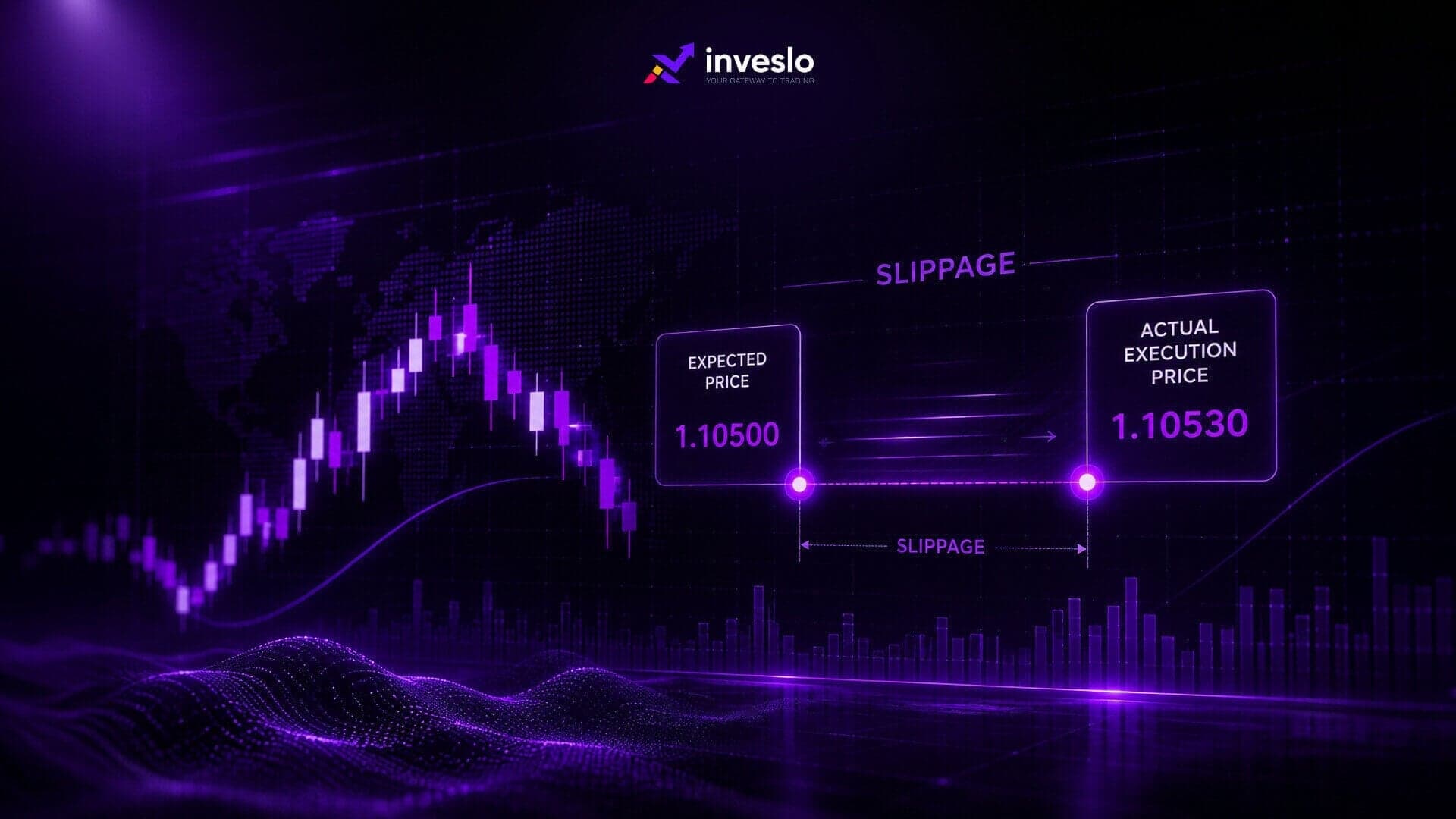
Slippage in Trading: What it is and How to Reduce it?
Slippage in trading costs most retail traders more than they realise, and it's rarely discussed until after the damage is done. You place an order at one price, it fills at another, and suddenly your trade is already underwater before the market's moved a tick against you. It happens fast.