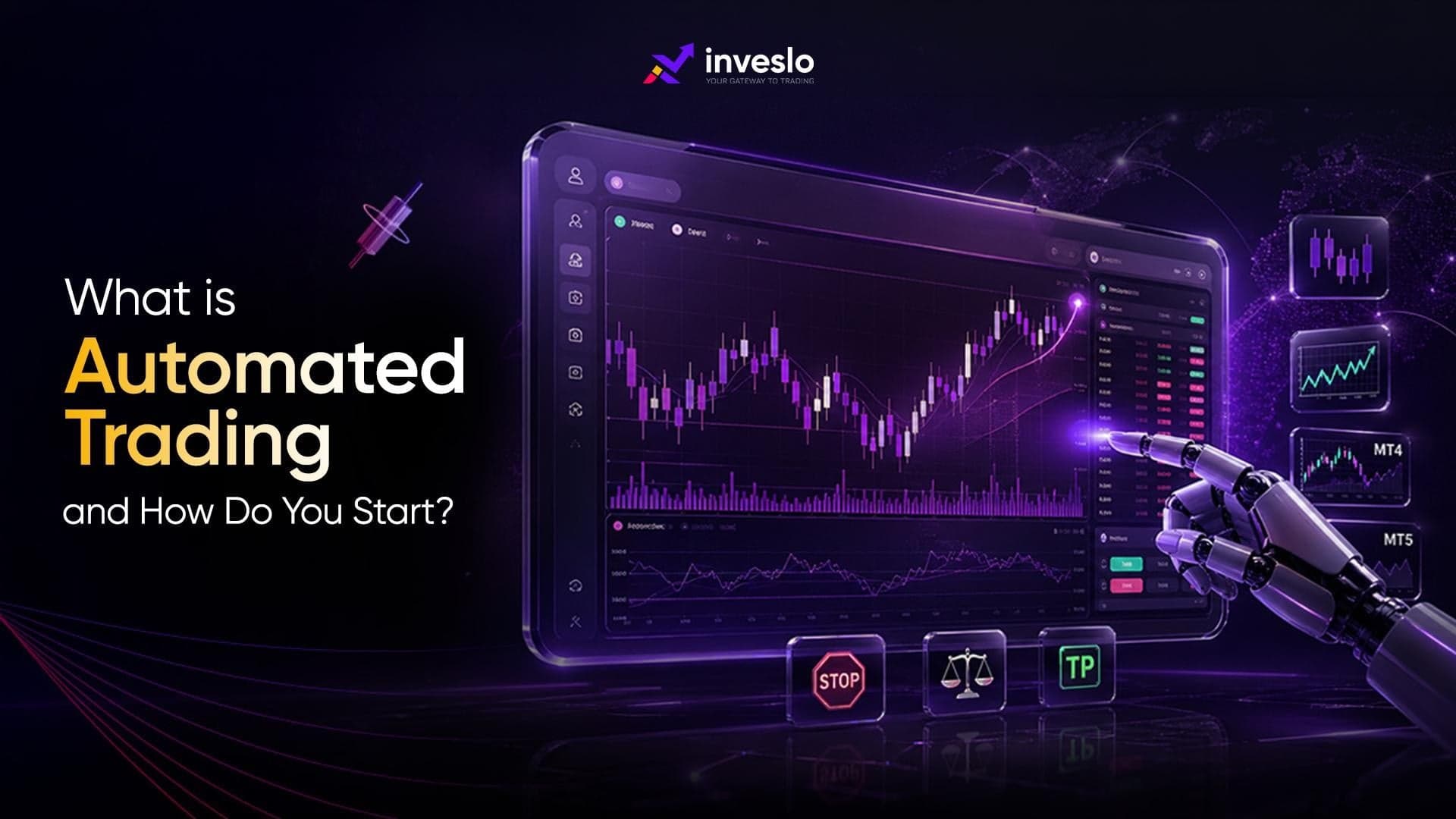
Automated trading changes the way people interact with financial markets by substantially reducing the manual aspect of trading decisions. Traders no longer need to keep an eye on charts and execute trades manually as they can depend on pre-programmed systems that will carry out trades without their intervention, following a set of rules.
Apart from saving time, it also aids in the decrease of emotional decisions, which are often the biggest hurdles in trading. Knowledge of automated trading can reveal new possibilities for trading intelligently, rapidly, and effectively in the current digital financial environment, whether you are a novice or a seasoned trader.
What is Automated Trading?
Automated trading is when trades are automatically executed based on a set of rules that's been programmed into a software application. The rules for the software are defined using factors such as price levels, technical indicators, timing, and volume. Once the defined conditions for the software are met, then the trades will automatically be executed without having to manually intervene by the trader.
Automated trading is sometimes referred to as algorithmic trading, algo-trading, or system trading. The main idea behind automated trading is simple. You define a strategy, program it into the system, and let it run. The software monitors the market 24/7 and executes as soon as the defined conditions have been met.
Automated trading has been used by retail traders, hedge funds, and institutional investors in all markets: forex, stocks, commodities, and cryptocurrencies.
How Does Automated Trading Work?
To utilize automatic trading in a way that produces beneficial results, one must first understand how automation works. Understanding automation involves three components that are each an important, interrelated part of creating the expected result from automatic trading:
Create strategy: The trader will decide on rules, based on market periods, for entering and exiting trades (for example, buying when one moving average crosses above another).
Write program: The above rules will then be programmed into an automatic trading system via a compatible trading platform (Note: Some brokers also offer automated trading systems built into their platform).
Monitor/execute trades: After creating the program, the system will run continuously as long as the trading platform is operational, automatically executing trade orders based on how the program orders were built.
Automated trading systems are typically built with several basic risk management components (i.e., limit orders, trailing stop orders, stop-loss orders, and/or take-profit orders), thus protecting a trader’s capital.
Advantages of Automated Trading
There are a number of obvious advantages of automated trading to traders of any level.
Emotion-Free Execution: It is one of the greatest problems of trading to control emotions such as fear and greed. Automated systems are rule-based and eliminate impulsive decisions.
Consistency: A trading algorithm applies the same logic every single time. Deviation, second-guessing, and skipping trades due to uncertainty are absent.
Speed: Automated systems have the ability to scan across several markets and place orders within milliseconds. This comes in handy, especially in high-speed forex and futures markets.
Backtesting: You can backtest your strategy using historical data to determine how your strategy would have performed before going live. This puts you ahead of putting money on the line.
24/5 Market Coverage: The automated trading systems can trade the forex market 24/5, even when you are asleep.
Multiple Strategy Execution: You can execute many strategies at the same time in many instruments, which is virtually impossible to execute manually.
Disadvantages of Automated Trading
Automated trading has its disadvantages despite the advantages.
Technical Failures: Missed trades or unwanted orders may happen due to software bugs, internet outages, or server problems. Automation does not eliminate the need to monitor.
Over-Optimisation: Most traders create strategies that work well on historical data but do not work in real markets. This is referred to as curve fitting and is a pitfall.
None: No Adaptability to News Events: Algorithms are pre-programmed. They are unable to process breaking news, geopolitical events, or abrupt changes in sentiment in the market in the same way a human being can.
Needs Technical Skills: To construct and sustain an automated strategy, you need to have at least a rudimentary knowledge of coding, particularly when you are operating on a platform such as MT4 or MT5.
Continuous Maintenance: Markets evolve. A strategy that is effective today might require revision in six months to be effective.
What Platforms Can You Use for Automated Trading?
You require a good Online Trading platform to initiate automated trading, and it must support algorithmic execution. Among the most popular platforms, there are:
MT4 Trading Platform
The MT4 trading platform is a popular forex trading platform, and it also allows automated trading via Expert Advisors (EAs). It is user-friendly and very customizable.
MT5 Platform
The MT5 platform is a more advanced platform with more features, such as improved backtesting and access to a wider range of asset classes.
Other Platforms
Automated trading is supported by a number of proprietary and third-party platforms, with varying degrees of customization and analytics.
The selection of the appropriate platform will be based on your trading objectives, level of experience, and the assets of your choice.
How to Get Started with Automated Trading
Automated trading does not necessarily need to be complex. To start, follow the following steps:
Step 1 - Learn the Basics: Before automating anything, learn how markets operate, what causes price movement, and the basics of the strategy you wish to automate.
Step 2 - Select Your Platform: Select a credible trading platform. Both the MT4 trading platform and the MT5 platform are great places to start, and have a great community and a lot of resources.
Step 3 - Determine Your Strategy: Spell out the guidelines of your trading strategy. What are the conditions of entry? What are the indicators of an exit? What is your risk per trade?
Step 4 - Develop or Acquire an EA: Develop your own Expert Advisor or purchase one that has been vetted by a reputable source. Watch out for unverified EAs that are offering unrealistic returns.
Step 5 - Backtest Thoroughly: Use historical data to test how your strategy would have performed. Examine drawdown, win rate, and consistency in various market conditions.
Step 6 - Begin on a Demo Account: Test your automated strategy on a demo account. This allows you to see its behaviour in the real market without risking real money.
Step 7 - Go Live with Caution: When you are comfortable with the performance of the demos, change to a live account with small position sizes. Keep a close watch and make amends.
What are the Risks and Limitations of Automated Trading?
Although automated trading has numerous advantages, one should be aware of its risks and limitations.
Market Volatility
Unexpected losses may occur due to sudden changes in the market.
Execution Risks
Trade outcomes can be influenced by delays or slippage.
System Errors
The algorithm may contain bugs that lead to wrong trades.
Over-Reliance
It is risky to rely solely on automation without control.
Regulatory Considerations
There are rules on automated trading that traders should abide by in different regions.
These challenges can be overcome by proper risk management and constant monitoring.
Getting Started with a Regulated Broker
One of the crucial steps in your automated trading journey will be selecting a regulated broker firm. Only a reputable broker can guarantee you the trading experience will be fair and transparent in pricing. Besides, your money will be safe with the broker. Inveslo is an established and regulated forex broker that facilitates automated trading on major trading platforms. Thus, it provides a secure place for traders to implement their strategies.
If you want to advance your trading career, contact our professionals without delay. Our expert crew is always ready to help you with the platform setting, the choice of trading strategy, and any other matters. Embark on your path of automated trading supported by the capable hands behind you.
FAQs
1. What is automated trading?
It uses software to execute trades automatically based on predefined rules.
2. How does automated trading work?
It follows programmed strategies and executes trades when conditions are met.
3. Is automated trading safe?
It is safe if used with proper risk management and monitoring.
4. Which platform is best for automated trading?
MT4 and MT5 are widely used and reliable platforms.
5. Can beginners use automated trading?
Yes, beginners can start with demo accounts and simple strategies.
6. What are the risks of automated trading?
Technical errors, market volatility, and over-reliance on systems are key risks.
Related articles
 ForexInveslo
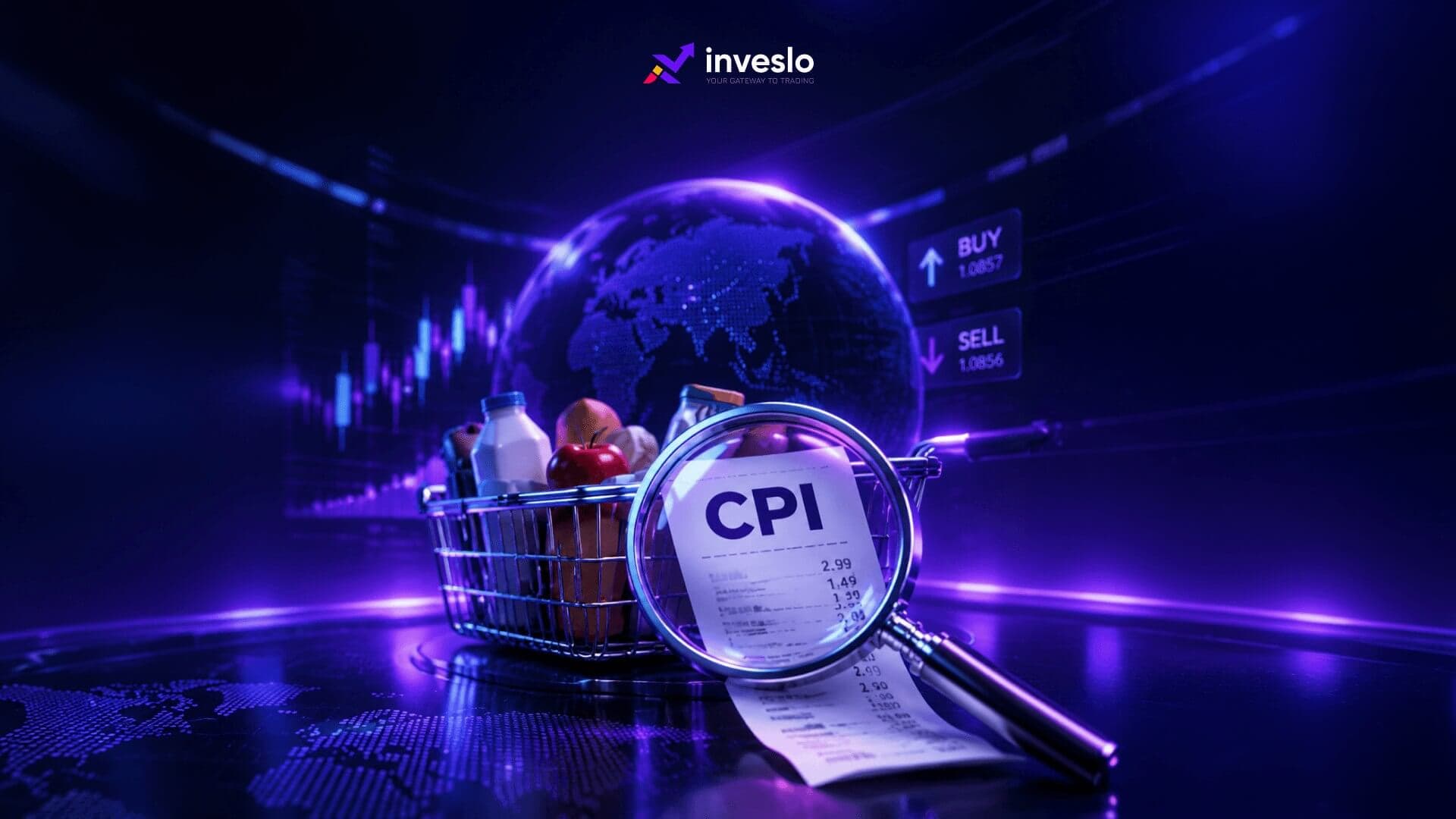
What is the Consumer Price Index (CPI)?
The Consumer Price Index (CPI) tracks the average change over time in prices consumers pay for a representative basket of goods and services. It is one of the main measures used to monitor consumer inflation.
 ForexInveslo
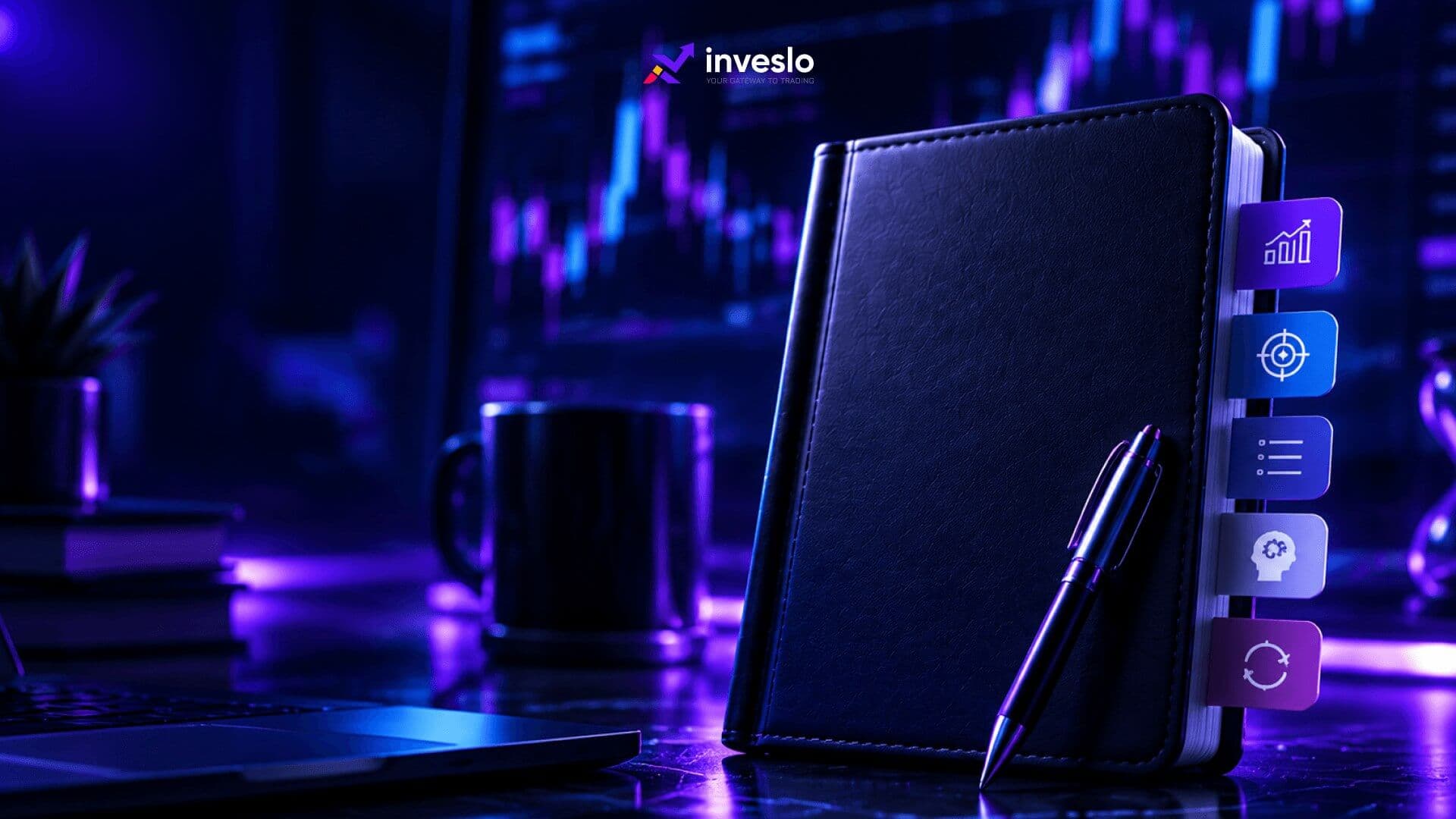
What is a Trading Journal & How Do Traders Use It?
A trader can remember a big winner for months and forget three poorly planned trades from the same week. That is one reason relying on memory makes trade review difficult.
 ForexInveslo
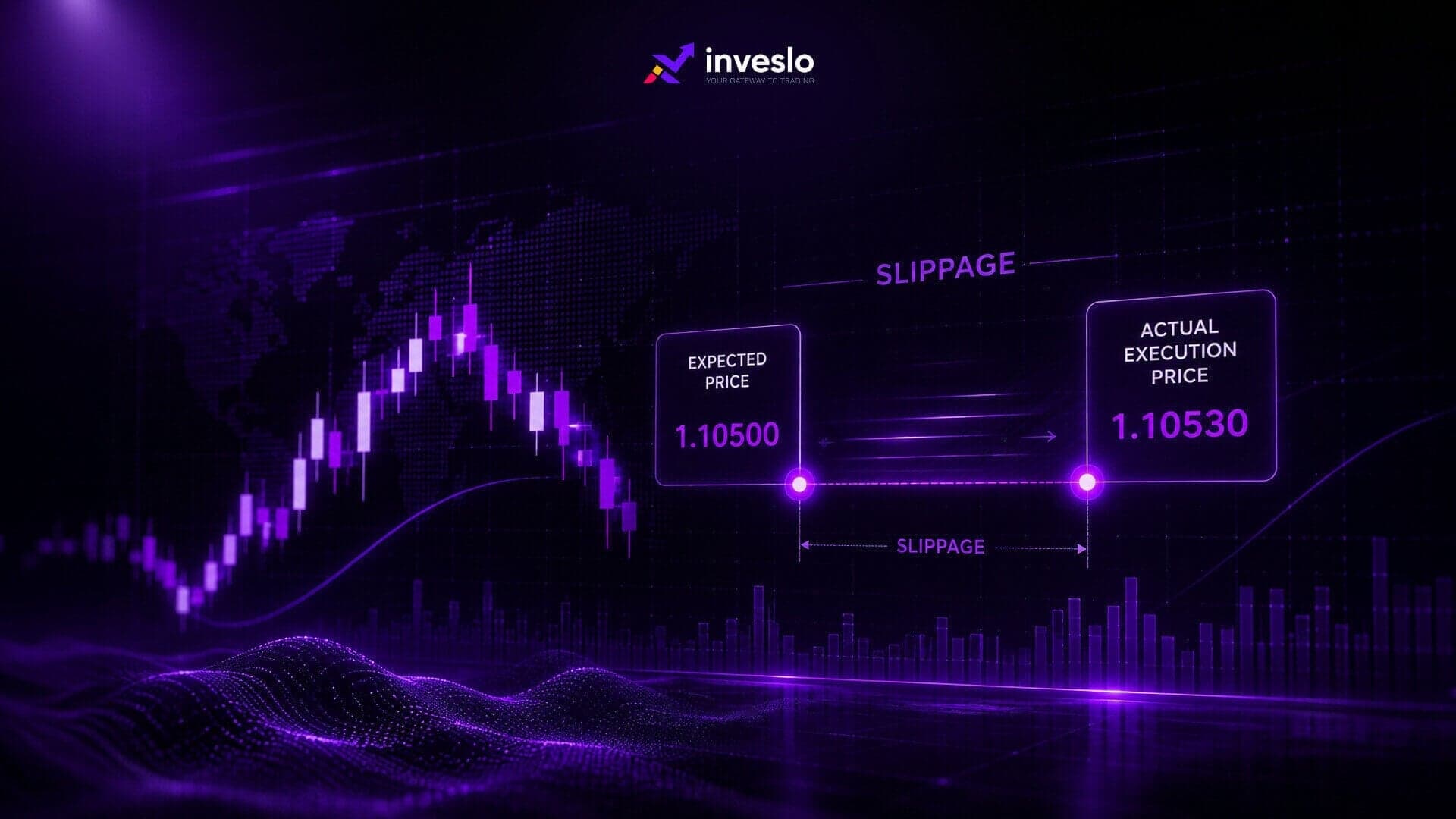
Slippage in Trading: What it is and How to Reduce it?
Slippage in trading costs most retail traders more than they realise, and it's rarely discussed until after the damage is done. You place an order at one price, it fills at another, and suddenly your trade is already underwater before the market's moved a tick against you. It happens fast.